Physical Address
304 North Cardinal St.
Dorchester Center, MA 02124
Physical Address
304 North Cardinal St.
Dorchester Center, MA 02124

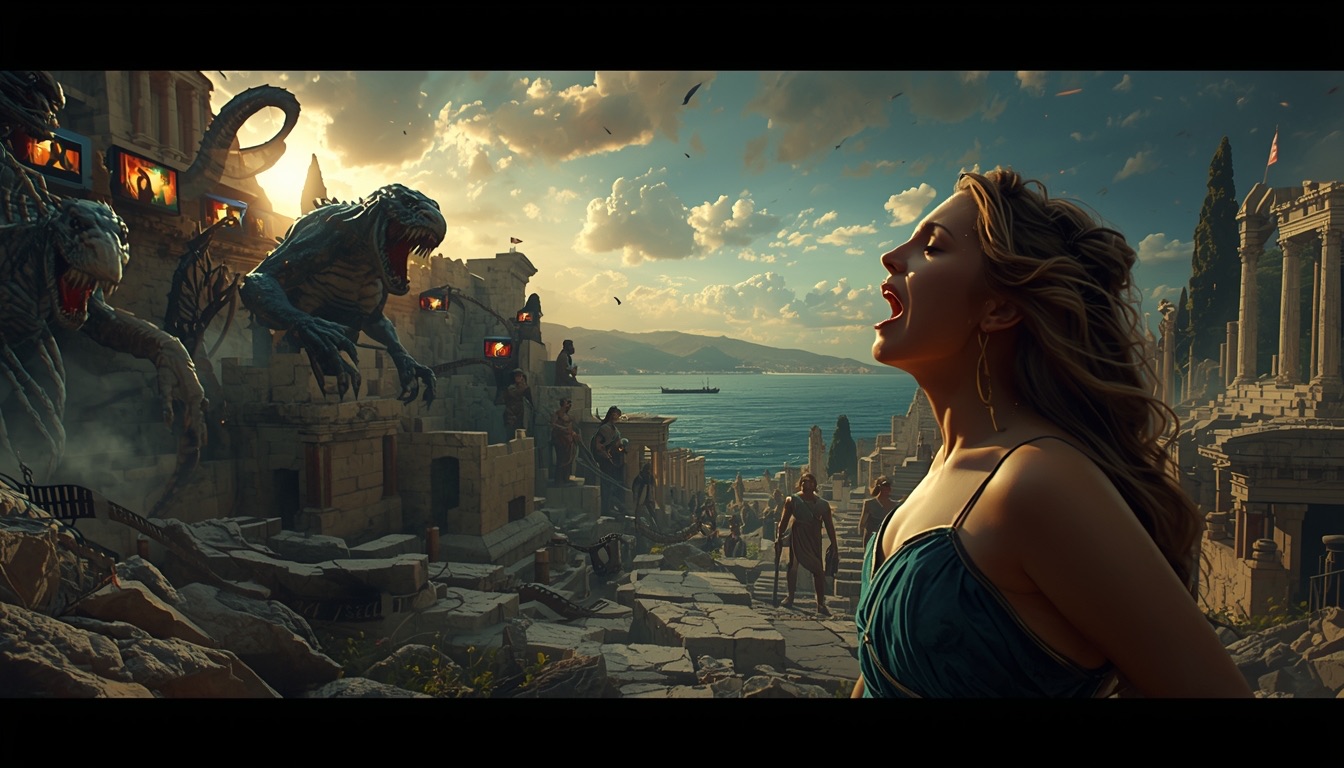
Greek mythology is a treasure trove of stories that have captivated audiences for centuries, with its pantheon of gods, epic heroes, and, most intriguingly, its menagerie of terrifying monsters. These mythical creatures, birthed from the imaginations of ancient Greeks, have left an indelible mark on literature, art, and media throughout history. In recent years, the influence of these mythological monsters has permeated modern pop culture and media, continuing to enthrall and inspire audiences worldwide. This blog post explores how these timeless terrors remain relevant today, manifesting in various forms across diverse media platforms.
At the core of Greek mythology’s monstrous realm are Typhon and Echidna, often revered as the “Father and Mother of Monsters.” Typhon, a colossal figure of chaos and destruction, was said to possess numerous dragon heads, each capable of producing a terrifying cacophony. Echidna, part woman and part serpent, was his equally formidable consort. Together, they sired a host of infamous creatures, each with unique attributes and legends of their own. Their offspring, which includes the likes of Cerberus, the Chimera, and the Hydra, became central figures in mythological tales, often serving as formidable adversaries for heroes and gods alike.
Among the myriad of Greek mythological creatures, the Gorgons stand out for their deadly beauty. Medusa, the most famous of the Gorgons, possessed a gaze that could turn anyone who looked upon her to stone. This terrifying ability, coupled with her serpent-haired visage, made her a figure of both fear and fascination. The story of Medusa’s eventual defeat by the hero Perseus has been retold countless times, cementing her place in the annals of mythological lore.
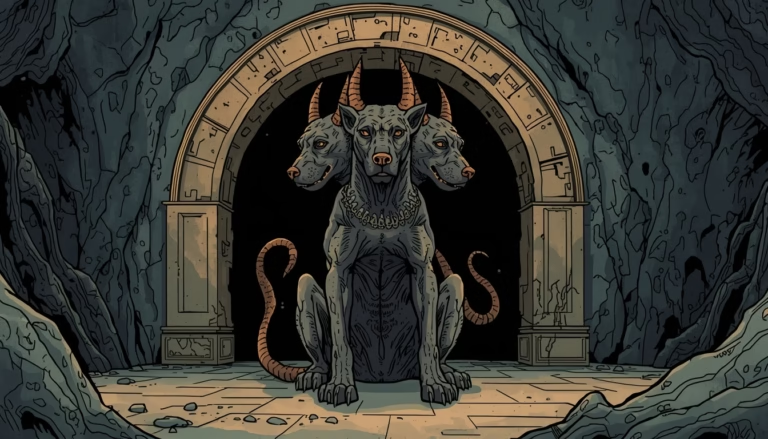
Beyond the iconic figures of Typhon, Echidna, and Medusa, Greek mythology is rich with a diverse array of creatures. The mighty Cerberus guarded the gates of the Underworld, while the Chimera’s hybrid form of lion, goat, and serpent terrorized the lands. Giants, dragons, and aquatic beasts like Charybdis further populated this vibrant mythological world. These creatures, each with distinct characteristics, played pivotal roles in stories that explored themes of heroism, hubris, and divine intervention.
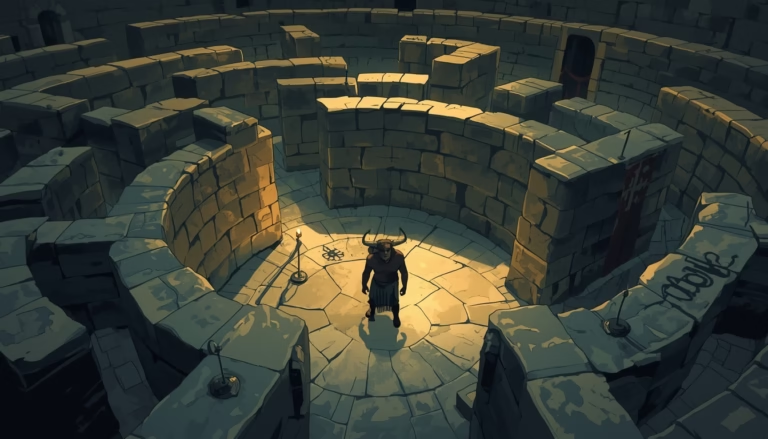
The influence of Greek mythology on literature cannot be overstated. From the epic poems of Homer to contemporary fantasy novels, the mythological monsters of ancient Greece have provided rich fodder for storytelling. Authors such as Rick Riordan have reimagined these creatures in modern settings, bringing them to life for new generations of readers. The Percy Jackson series, for example, introduces young audiences to the likes of Minotaurs and Gorgons, weaving them into thrilling adventures that resonate with timeless themes of bravery and identity.
Hollywood has long been enamored with the fantastical elements of Greek mythology. Films like “Clash of the Titans” and its sequel “Wrath of the Titans” brought the mythological monsters to life with groundbreaking special effects, capturing the imagination of audiences worldwide. The visual spectacle of these creatures, from the menacing Kraken to the awe-inspiring Pegasus, showcases the enduring allure of Greek mythology in cinema. These films, while taking creative liberties, pay homage to the ancient stories, ensuring their continued relevance in the modern era.
The rise of television and streaming platforms has opened new avenues for exploring Greek mythology’s rich tapestry of monsters. Series like “Blood of Zeus” on Netflix delve into the mythological world with a fresh perspective, blending traditional narratives with contemporary storytelling techniques. The episodic format allows for deeper exploration of characters and themes, providing audiences with a more immersive experience. This renewed interest in mythological tales reflects a broader cultural fascination with the mysteries and lessons of ancient Greece.
The gaming industry has also tapped into the potential of Greek mythology, offering players interactive experiences that bring these legendary monsters to life. Games like “God of War” and “Assassin’s Creed Odyssey” immerse players in a world where they can confront mythological creatures firsthand. These games blend historical accuracy with creative storytelling, allowing players to explore and engage with the myths in a dynamic and personal way. The interactive nature of gaming provides a unique platform for experiencing the thrill and danger of encountering Greek mythology’s famous monsters.
The enduring appeal of Greek mythology’s monsters lies in their embodiment of universal themes and timeless lessons. These creatures often represent the chaotic and unpredictable forces of nature, serving as metaphors for the challenges and fears that humans face. The stories surrounding their defeats or encounters with heroes highlight themes of courage, resilience, and the triumph of good over evil. These narratives continue to resonate with audiences today, offering insights into the human condition and the eternal struggle between light and darkness.
Greek mythological monsters also serve as powerful symbols and archetypes that transcend cultural and temporal boundaries. The Gorgon’s petrifying gaze, for instance, can be seen as a metaphor for the paralyzing effects of fear or the consequences of unchecked power. The Chimera, with its hybrid form, symbolizes the complexity and duality of existence. These archetypes, deeply embedded in the collective consciousness, provide a rich source of inspiration for artists, writers, and creators across various media.
The fantastical nature of Greek mythology’s monsters offers limitless possibilities for creative expression. Artists and designers draw upon these creatures to craft visually stunning works that captivate and intrigue. From fashion to graphic novels, the influence of these mythological beings is evident in the diverse array of contemporary art forms. This ongoing dialogue between ancient mythology and modern creativity underscores the timeless appeal of these legendary creatures.
Greek mythology’s monsters continue to cast a long shadow over modern pop culture and media, captivating audiences with their blend of terror and wonder. Their stories, rich with symbolism and universal themes, offer valuable insights into the human experience while providing endless opportunities for creative exploration. As these mythological creatures are reimagined and reinterpreted across various platforms, they remain a testament to the enduring power of storytelling and the timeless allure of the ancient world.
In a rapidly changing cultural landscape, the monsters of Greek mythology stand as enduring icons of creativity and imagination. Whether through literature, film, television, or gaming, their presence reminds us of the mysteries and marvels that lie just beyond the realm of reality. As we continue to explore and celebrate these legendary creatures, we ensure that their stories will live on for generations to come, inspiring awe and wonder in all who dare to venture into the world of myth and legend.