Physical Address
304 North Cardinal St.
Dorchester Center, MA 02124
Physical Address
304 North Cardinal St.
Dorchester Center, MA 02124

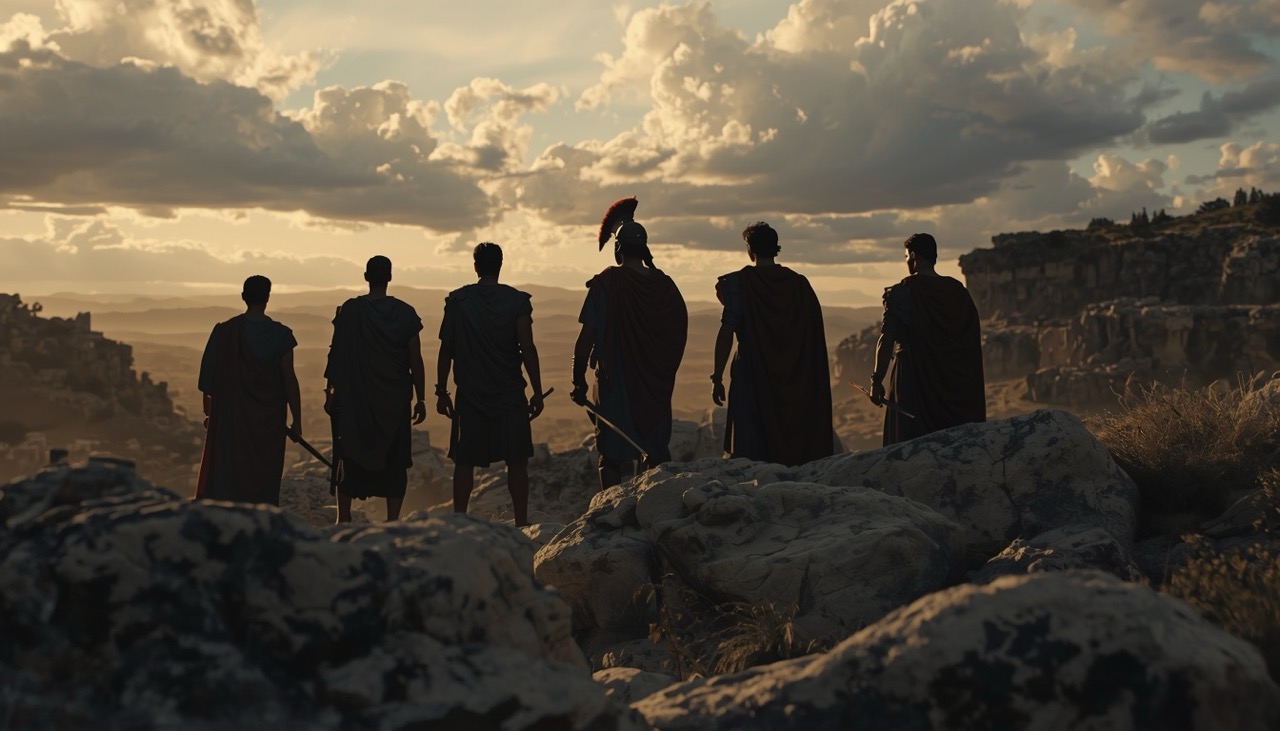
Greek heroes are often imagined as brave warriors who defeat monsters and win glory. In Greek mythology, heroes are something more complicated. They are mortal figures who stand between gods and humans, powerful but flawed, admired but often punished.
Understanding Greek heroes means understanding what the ancient Greeks believed about strength, failure, responsibility, and fate. This guide explains who Greek heroes are, what defines them, and why their stories rarely end cleanly.
A Greek hero is not defined by moral goodness. Heroes are defined by action, endurance, and consequence.
Most heroes share a few key traits:
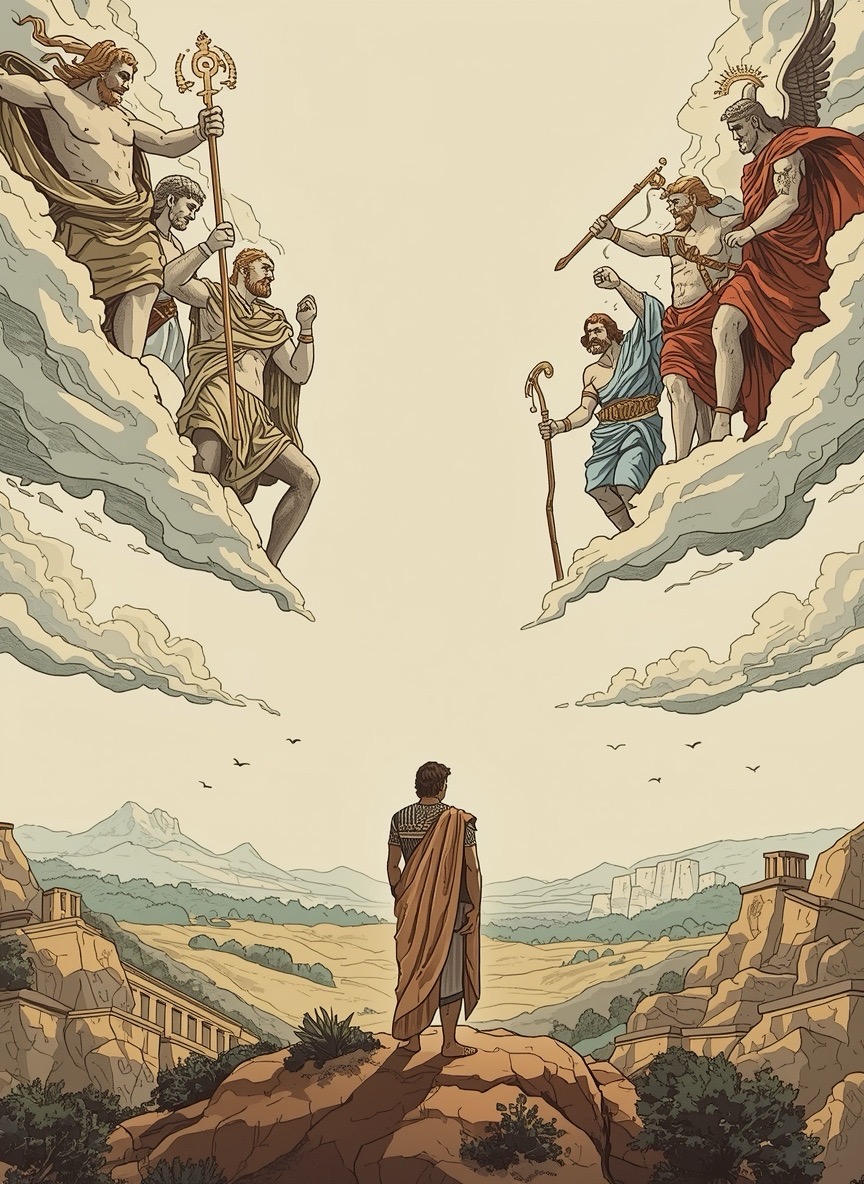
Greek heroes do not operate independently. Gods constantly interfere.
A hero may:
This makes hero stories unpredictable. Success often comes with a cost the hero does not choose.
Below are the most important Greek heroes for beginners. These figures appear repeatedly in myths, art, and later literature.
Heracles is the strongest of all Greek heroes, but his story is defined by suffering rather than triumph.
Driven mad by Hera, he killed his own family and was forced to complete twelve labors as punishment. These tasks required not only strength, but endurance and obedience.
Heracles represents:
Perseus is a hero favored by the gods.
With divine tools, he defeated Medusa and later rescued Andromeda. Perseus succeeds because he follows instructions and respects divine limits.
Perseus represents:
Theseus is closely tied to the city of Athens.
He defeated the Minotaur using intelligence and help from Ariadne, then abandoned her. His later life is marked by political ambition and personal failure.
Theseus represents:
Achilles is the greatest warrior of the Trojan War, but also its most emotionally volatile figure.
He is nearly invulnerable, yet defined by anger, pride, and grief. His refusal to fight changes the course of the war.
Achilles represents:
Odysseus survives through intelligence rather than strength.
His long journey home is shaped by curiosity, deception, and endurance. He often causes his own problems, then must escape them.
Odysseus represents:
Jason’s heroism depends heavily on others, especially Medea.
He succeeds in obtaining the Golden Fleece but fails morally by abandoning Medea afterward. His story ends in quiet ruin rather than triumph.
Jason represents:
Greek heroes are not models to imitate. They are figures meant to be examined.
Hero myths explore:
In many stories, the hero succeeds in their task but fails in life.
Gods are immortal and unchanging. Heroes are temporary and vulnerable.
This contrast is essential:
Heroes matter because they suffer. Their stories give shape to human experience in a world ruled by powers beyond control.
Greek heroes remain popular because they are complex.
They appear in:

Their stories still resonate because they deal with ambition, loss, anger, loyalty, and survival.
Mythology-inspired apparel and home items often reference heroes because they symbolize effort and endurance. If you enjoy carrying that symbolism into daily life, you can explore PromyTheo products like shirts, hoodies, blankets, or desk mats here.
Greek heroes are defined not by perfection, but by consequence. They act boldly, suffer deeply, and leave stories that outlive them.
Understanding Greek heroes helps make sense of the myths as a whole, especially the balance between human effort and divine power.
For more clear explanations of Greek mythology, explore the other PromyTheo blog posts covering gods, symbols, and foundational stories.