Physical Address
304 North Cardinal St.
Dorchester Center, MA 02124
Physical Address
304 North Cardinal St.
Dorchester Center, MA 02124

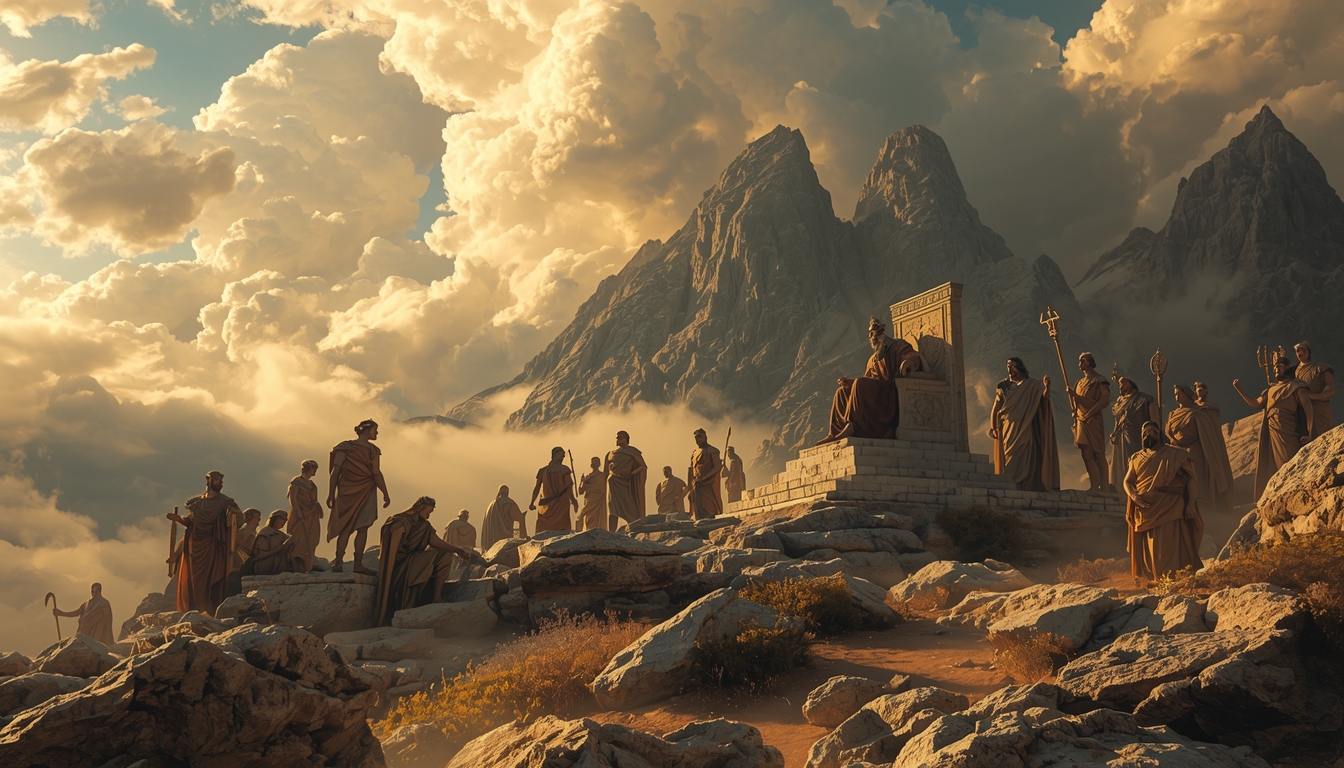
Greek gods and goddesses are often described as powerful, immortal beings, but that description alone misses the point. In Greek mythology, gods represent forces of life, nature, society, and human behavior. They argue, take sides, make mistakes, and interfere in mortal lives because that is how the ancient Greeks explained a complex and unpredictable world.
This guide explains the major Greek gods and goddesses clearly, focusing on what each one represents and how they function within myth.
Greek mythology does not have a strict hierarchy like modern religions. However, most major gods belong to a group called the Olympians, named after Mount Olympus.
These gods rule specific domains. Their power comes from influence, not moral perfection. They are respected, feared, and negotiated with rather than worshipped as ideals.
Understanding each god’s domain is more useful than memorizing family trees.
Below is a clear, beginner-friendly explanation of the main Olympians you will encounter most often in myths, art, and literature.
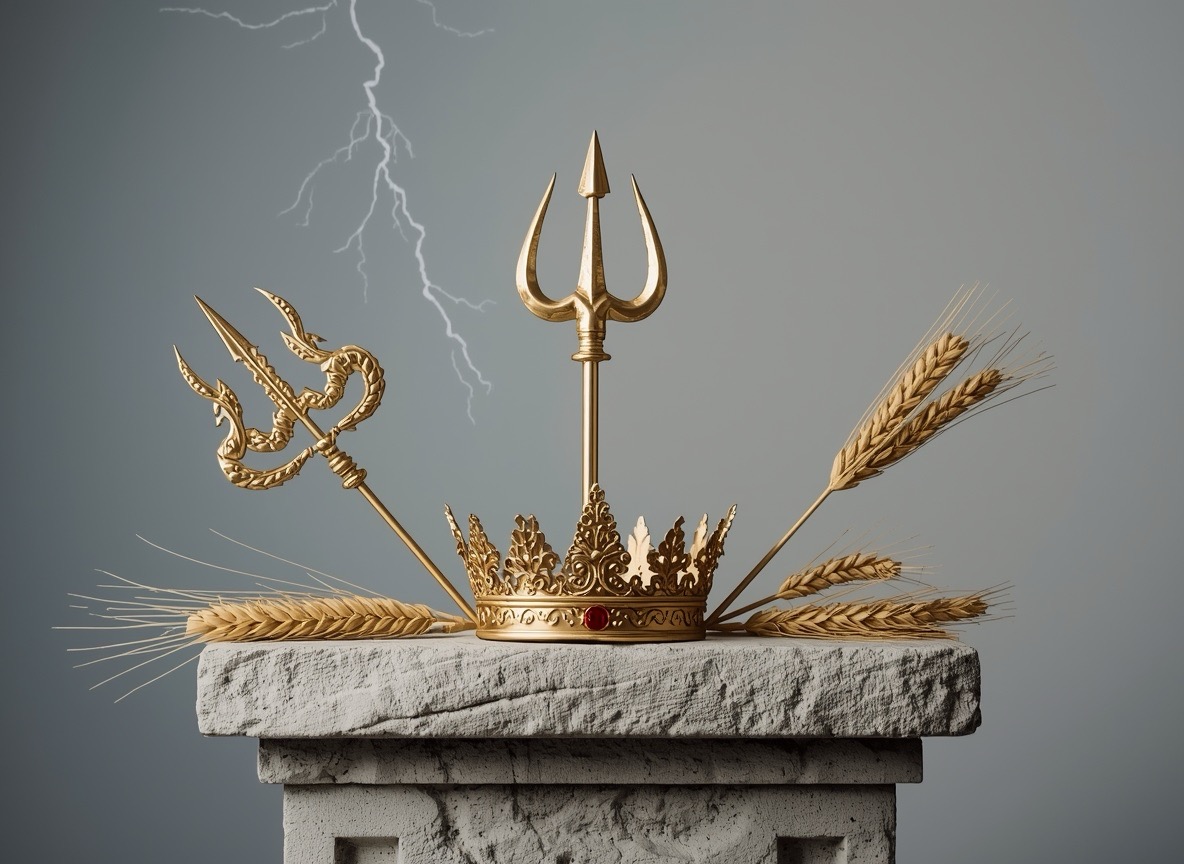
Zeus is the ruler of the gods and the god of the sky, thunder, and law. He enforces order, oversees oaths, and punishes those who break divine or social rules. Zeus represents authority and power, but he is also impulsive and deeply flawed.
Hera is the goddess of marriage and queenship. She protects social order and legitimate family structures. In myth, she is often portrayed as vengeful, especially toward Zeus’s lovers, which reflects anxiety about loyalty, status, and betrayal.
Poseidon rules the sea, earthquakes, and storms. His temperament is unpredictable, mirroring the danger of the ocean. Sailors respected Poseidon not for kindness, but for restraint.
Demeter governs agriculture, grain, and fertility of the land. Her myths focus on nourishment, loss, and seasonal cycles. She represents survival and the dependence of humans on nature.
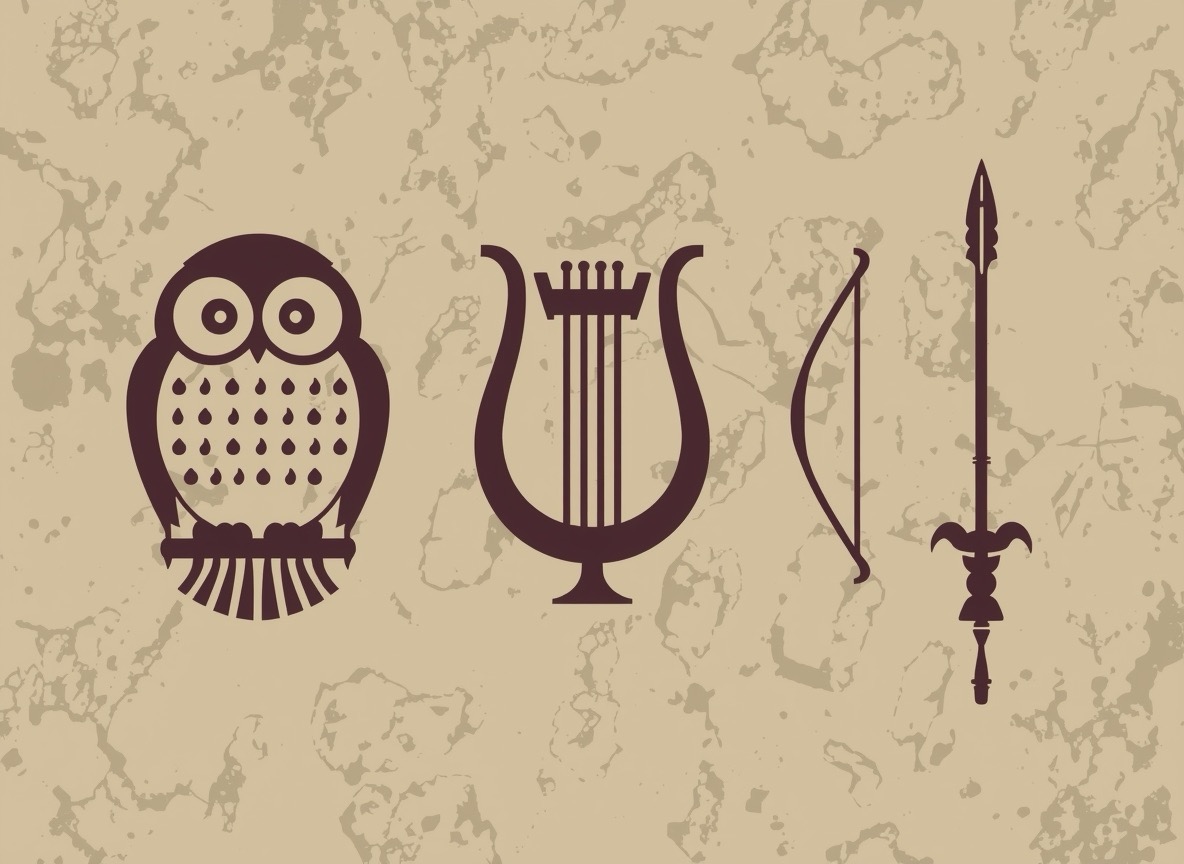
Athena is the goddess of wisdom, strategy, and crafts. Unlike Ares, she represents controlled warfare and planning. She is closely tied to cities, law, and skill-based intelligence.
Apollo governs prophecy, music, healing, and rational order. He represents clarity and balance, but his myths also show harsh punishment when boundaries are crossed.
Artemis rules the wilderness, hunting, and protection of young life. She represents independence and boundaries. Her myths emphasize respect for limits, especially between humans and nature.
Ares embodies the chaos and violence of war. Unlike Athena, he represents destruction without strategy. He was feared more than admired in Greek culture.
Aphrodite governs love, attraction, and desire. Her power is social and emotional rather than physical. Myths involving Aphrodite often show how desire disrupts logic and order.
Hephaestus is the god of fire, metalworking, and craftsmanship. He represents skill, creation, and resilience. His myths emphasize value earned through work rather than beauty or strength.
Hermes governs travel, trade, communication, and trickery. He moves freely between worlds, including the underworld. Hermes represents adaptability and intelligence in motion.
Hestia represents the home, hearth, and communal stability. She is quieter than other Olympians, but central to daily life. In some traditions, she is replaced by Dionysus among the Twelve.

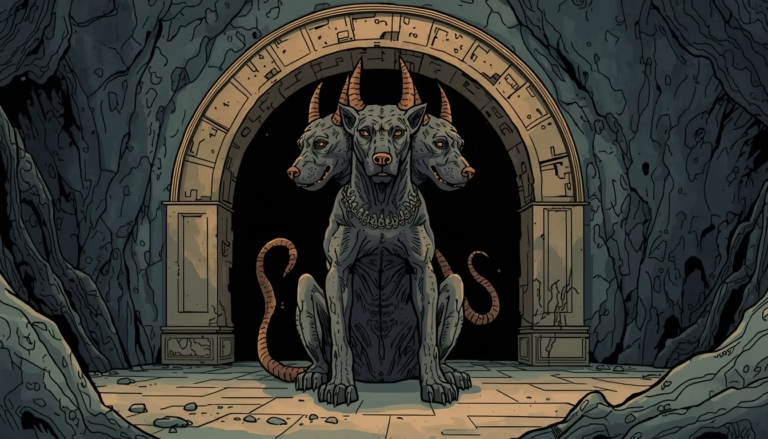
Not all important gods live on Olympus.
These gods deal with boundaries, death, and altered states, making them essential to Greek thought.
Greek gods are not moral guides. They are narrative tools.
When reading myths, ask:
This approach makes myths clearer and more meaningful than judging gods by modern standards.
Greek gods still appear constantly in education, art, and design because they symbolize ideas that remain relevant.
Myth-inspired apparel and home items often feature gods or their symbols because they communicate identity, values, or curiosity about classical culture.
If you enjoy bringing mythology into everyday life, you can explore PromyTheo products like shirts, hoodies, blankets, or desk mats inspired by classical themes here.
Greek gods and goddesses are best understood as representations of power, nature, and human behavior rather than distant religious figures. Once you understand their domains and patterns, the myths become easier to follow and far more engaging.
For deeper dives into individual gods, symbols, and stories, explore the other PromyTheo blog posts that break Greek mythology down clearly and thoughtfully.