Physical Address
304 North Cardinal St.
Dorchester Center, MA 02124
Physical Address
304 North Cardinal St.
Dorchester Center, MA 02124

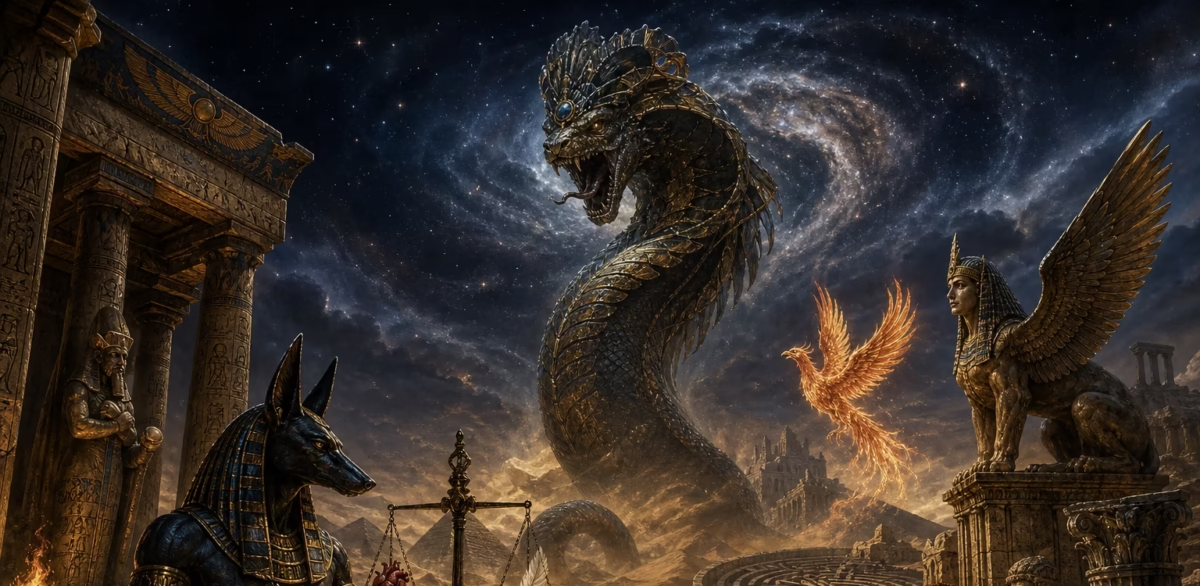
Ancient Egyptian and Greek monsters are presented as symbols of cosmic order, chaos, fear, judgment, and renewal. Egyptian figures such as Apep, Ammit, Bennu, and Khepri reflect beliefs about Ma’at, the afterlife, and rebirth, while Greek monsters like Typhon, Echidna, the Minotaur, and the Sphinx embody danger and heroic trials.
The post also highlights cultural exchange during the Ptolemaic period, when Egyptian and Greek traditions influenced one another. It argues that these myths continue to shape global ideas about monsters and reveal shared human concerns about life, death, and the unknown.
In the vast panorama of ancient mythology, the tales of monsters stand out as some of the most captivating narratives. These mythical creatures not only reflect the fears and beliefs of ancient cultures but also serve as a window into understanding their worldview. Among the most fascinating are the monsters of ancient Egypt and Greece, two civilizations that, while distinct in many ways, share intriguing overlaps in their mythological depictions. This blog post explores the intersection of Egyptian and Greek monsters, examining their symbolism, cultural significance, and the enduring legacy they have left on the tapestry of global mythology.
Ancient Egyptian mythology is rich with creatures that embody cosmic forces and the delicate balance between life and death. The Egyptians viewed their world as a constant interplay of order (Ma’at) and chaos (Isfet), with mythical monsters often personifying these concepts. Among these creatures, Apep and Ammit stand out as prime examples.
Apep, a serpentine deity, was the embodiment of chaos and darkness. Each night, Apep was believed to battle the sun god Ra, attempting to plunge the world into eternal night. This myth symbolizes the daily struggle between light and darkness, order and chaos, a core theme in Egyptian spirituality.
Ammit, on the other hand, was known as the “Devourer of Souls.” In the afterlife, she awaited those whose hearts were weighed and found wanting against the feather of Ma’at. Ammit’s role was crucial in the Egyptian concept of judgment and justice, reinforcing the importance of living a life in accordance with Ma’at.
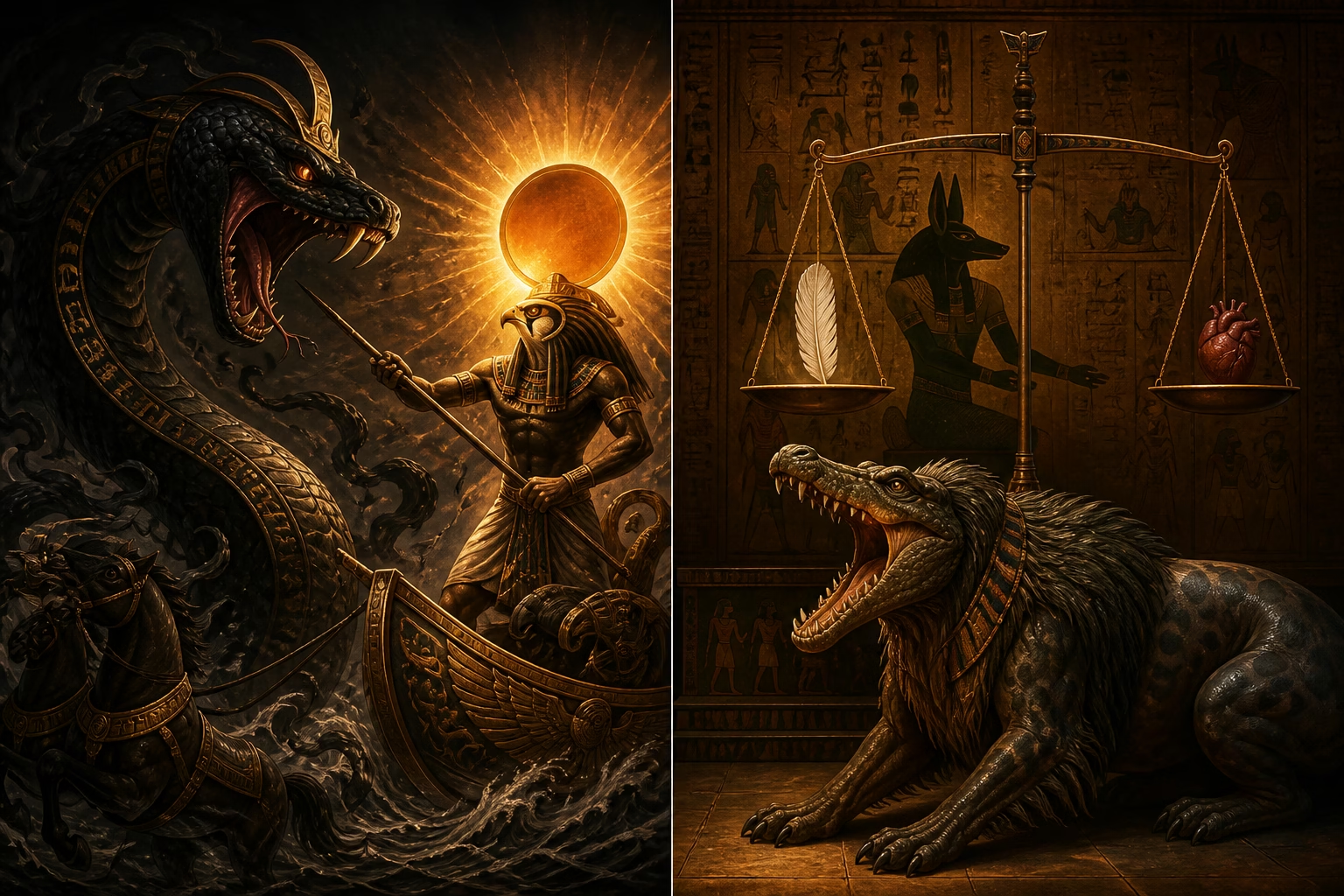
While some Egyptian monsters represented fear and chaos, others symbolized rebirth and renewal. The Bennu bird, often associated with the Greek Phoenix, was a symbol of resurrection and new beginnings. Similarly, Khepri, depicted as a scarab beetle, symbolized rebirth as he rolled the sun across the sky each day.
These creatures reflect the Egyptians’ deep connection with the cycles of nature and their belief in the eternal continuity of life, themes that resonated throughout their religious and funerary practices.
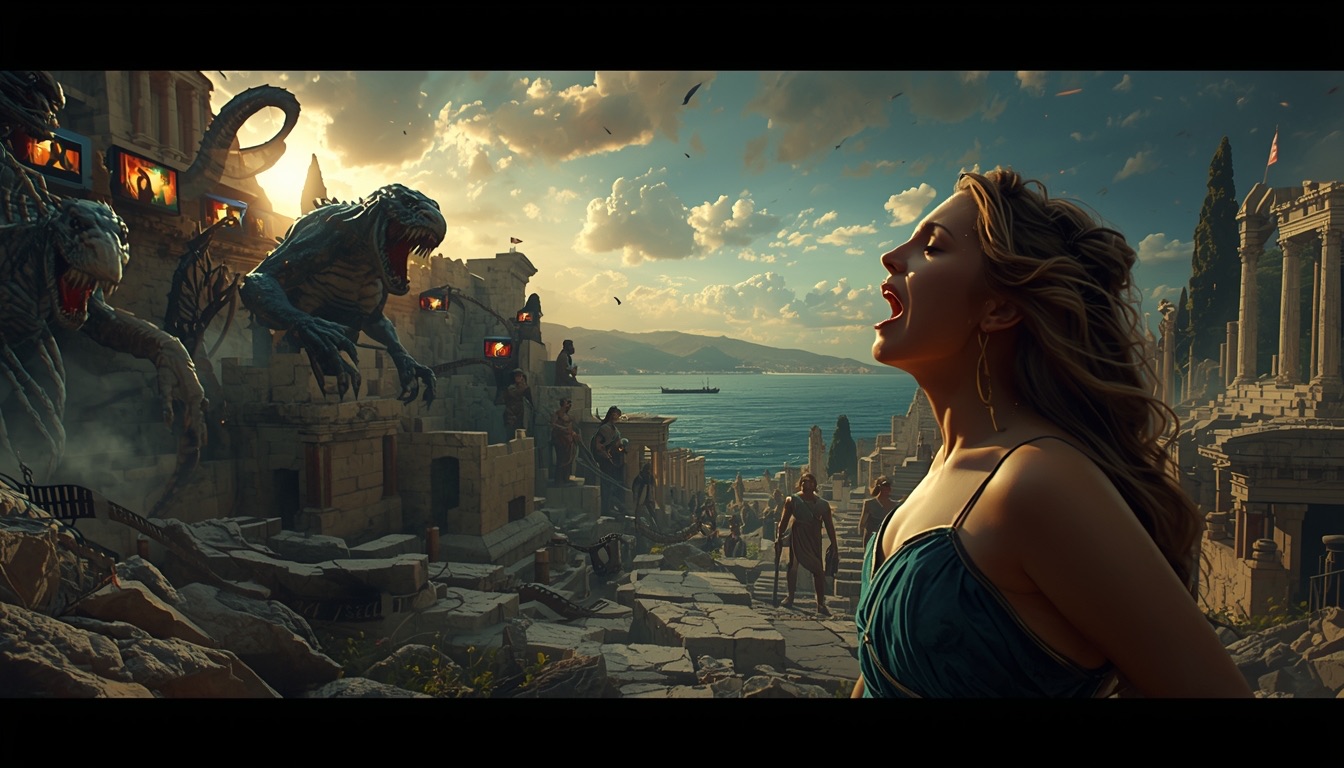
Greek mythology is equally rich with monsters that personify fear and evil, serving as formidable adversaries to gods and heroes alike. Among these, Typhon and Echidna are two of the most fearsome figures. Typhon, a colossal serpentine giant, was considered the father of all monsters, while Echidna, part woman and part snake, was his terrifying consort.
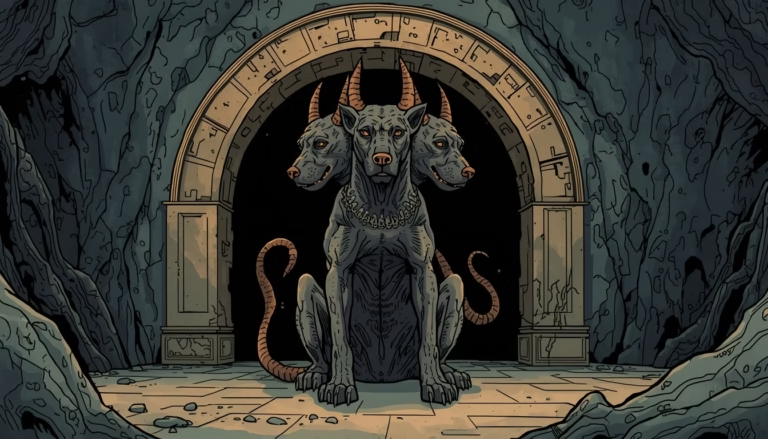
These creatures represented the ultimate challenge to the Olympian gods, embodying the chaotic forces that threatened the established order of the cosmos. Their offspring, including Cerberus, the Hydra, and the Chimera, have become iconic symbols of mythical terror.
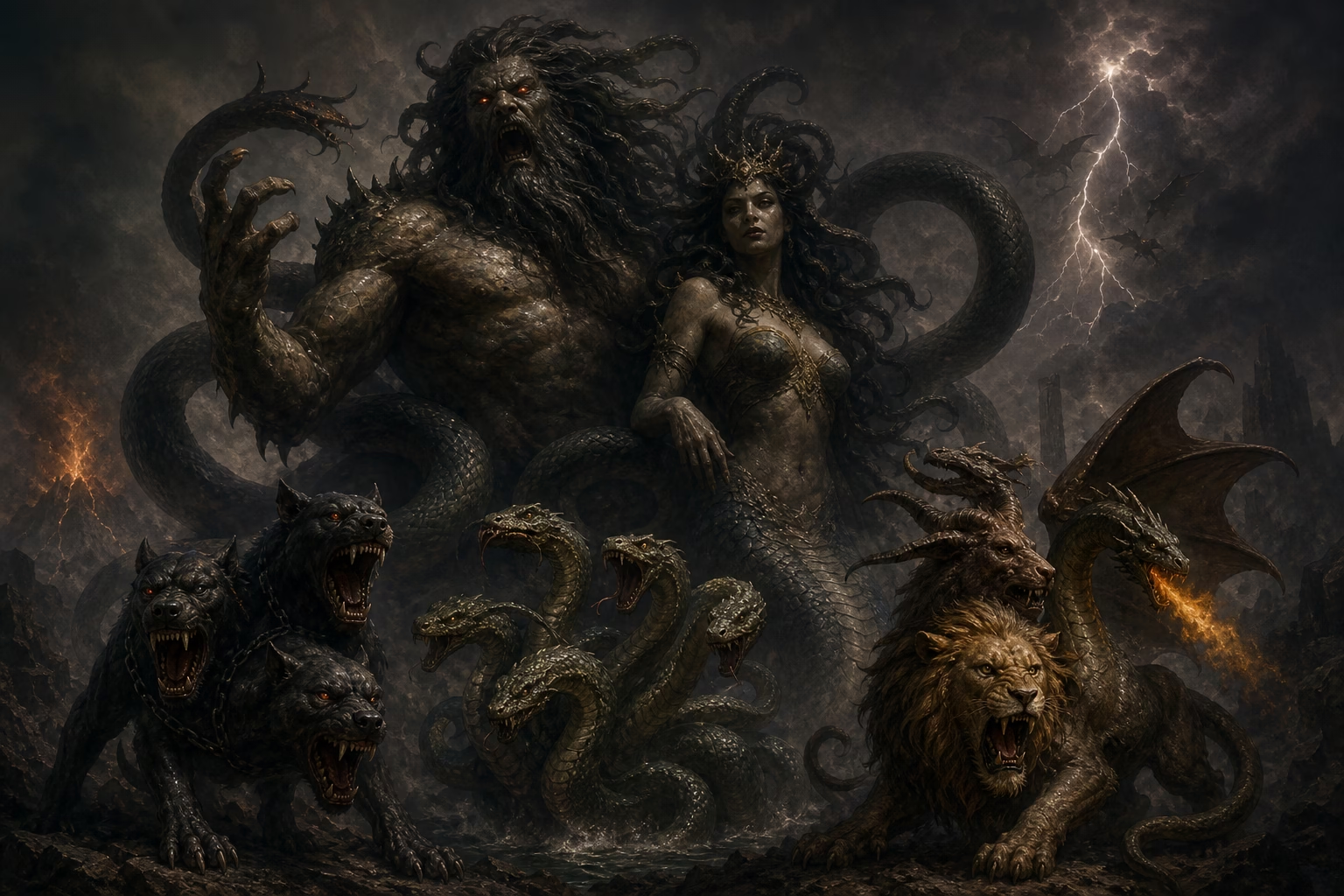
Greek monsters often played the role of guardians or formidable challenges to heroes in their quests. The Minotaur, residing in the labyrinth of Crete, and the Sphinx, with her enigmatic riddles, are prime examples. These creatures not only tested the physical and mental prowess of heroes but also served as metaphors for the struggles and trials one must overcome in life.
The cultural exchange between Egypt and Greece reached its zenith during the Ptolemaic period, when Greek rulers governed Egypt. This era saw a fascinating synthesis of mythological traditions, resulting in hybrid creatures that bore features of both Egyptian and Greek monsters.
Leanna Boychenko, an Associate Professor of Classical Studies at Loyola University Chicago, highlights this cultural interplay in her research. Her studies reveal how Egyptian conceptions of the monstrous, as a balance between order and chaos, influenced Greek mythological narratives during this period. The blending of these traditions gave rise to unique depictions that enriched the mythologies of both cultures.
The influence of Egyptian and Greek monsters extends beyond their respective cultures, leaving an indelible mark on global mythology. The concept of monsters as embodiments of chaos, fear, and the unknown resonates across cultures and time periods, from medieval bestiaries to modern fantasy literature.
These ancient myths continue to captivate our imagination, offering insights into the human psyche and our perennial struggle to understand the forces that shape our world. The enduring legacy of these creatures underscores the universal nature of myth and its power to transcend cultural boundaries.
The monsters of ancient Egypt and Greece serve as powerful symbols of the fears, beliefs, and values of their respective cultures. Through their tales, we gain a deeper understanding of the ancient world and the timeless themes that continue to resonate in our own lives.
By exploring the intersection of Egyptian and Greek monsters, we uncover a rich tapestry of mythological traditions that highlight the shared human experience across cultures. These stories remind us of the enduring power of myth to captivate, challenge, and inspire, inviting us to explore the depths of our imagination and the mysteries of the world around us.
As we reflect on these legendary creatures, we are reminded of the profound connection between past and present, and the ways in which ancient myths continue to shape our understanding of the world. Whether through tales of chaos and order, fear and hope, or death and rebirth, the monsters of Egypt and Greece continue to fascinate and inspire, bridging the gap between ancient and modern, and reminding us of the timeless power of myth.
If you enjoy mythology-inspired designs, PromyTheo products like shirts, hoodies, blankets, or desk mats often use classical imagery rooted in these myths. You can explore those product categories here.