Physical Address
304 North Cardinal St.
Dorchester Center, MA 02124
Physical Address
304 North Cardinal St.
Dorchester Center, MA 02124

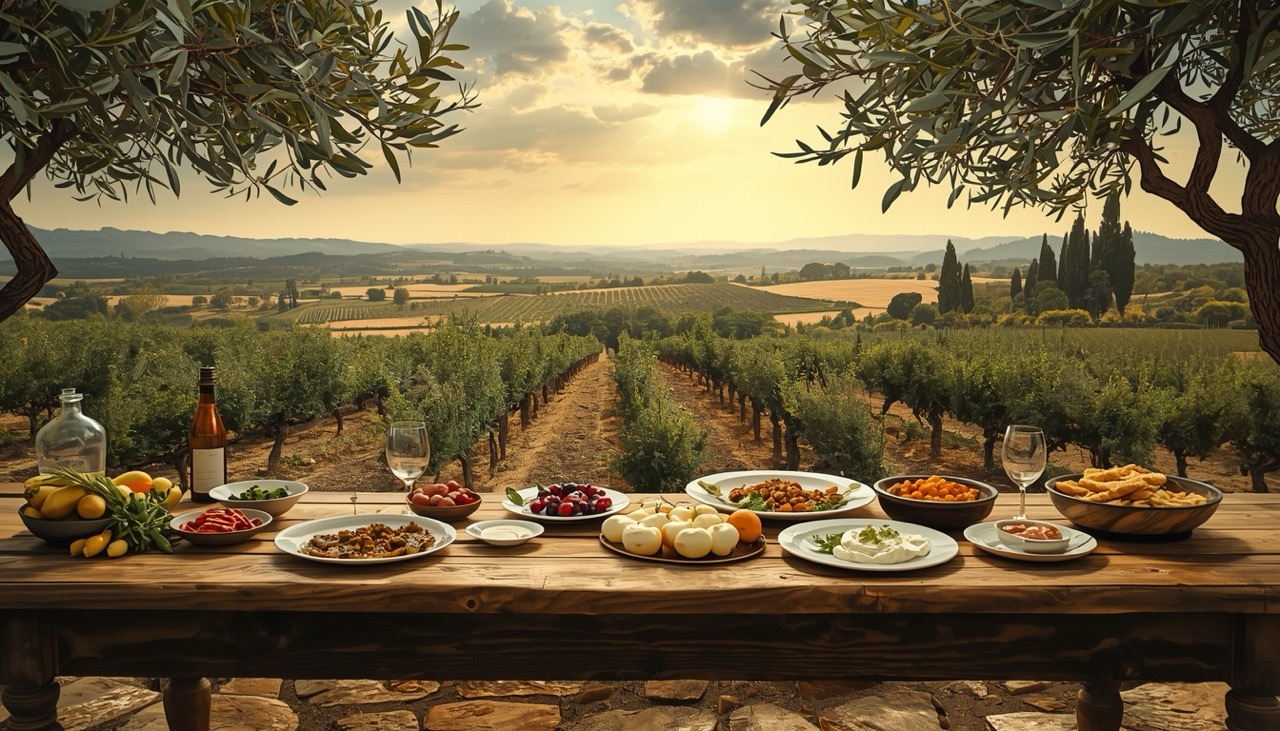
In the annals of history, few civilizations have left as indelible a mark on culture and gastronomy as the ancient Greeks. While we often associate Greece with its philosophers, democracy, and dramatic landscapes, the culinary traditions of this ancient civilization are equally noteworthy. Intriguingly, the connections between Greek mythology and modern Greek cuisine offer a fascinating lens through which to explore how ancient beliefs continue to influence contemporary culinary practices. From the gods of Olympus to the yogurt on your table, let’s embark on a journey to uncover the mythological roots of Greek cuisine and how these ancient tales still spice up our culinary experiences today.
At the heart of Greek mythology are the Twelve Olympians, a pantheon of gods and goddesses, each with distinct personalities, domains, and symbols. Their stories, deeply woven into the fabric of ancient Greek life, also extend into culinary practices. For instance, Demeter, the goddess of the harvest and agriculture, was pivotal in ensuring the fertility of the earth, making her a revered figure in agricultural societies. The reverence for Demeter and her daughter Persephone is reflected in the importance of grains and bread in Greek diets.
Similarly, Dionysus, the god of wine, revelry, and fertility, played a crucial role in the ancient Greek symposium, a social gathering centered around wine and intellectual discussion. This tradition laid the groundwork for the modern meze culture, where small plates are shared over drinks and conversation, embodying the spirit of Dionysian gatherings.
Apollo, the god of music, prophecy, and healing, represents the ideal of harmony and balance, concepts integral to Greek cuisine. Greek dishes often emphasize the balance of flavors: the acidity of lemon, the richness of olive oil, and the zest of herbs like oregano and thyme. This culinary equilibrium mirrors Apollo’s harmonious nature and his association with the arts and healing, suggesting that food, like music, can soothe and heal the soul.
In Greek mythology, ambrosia and nectar were the sustenance of the gods, granting them immortality. While these mythical foods are not part of the modern diet, their symbolic significance persists. The pursuit of pure and wholesome ingredients in Greek cuisine echoes the divine nature of ambrosia and nectar. Fresh fruits, vegetables, and honey, often considered gifts from the gods, play central roles in Greek dishes, symbolizing health and vitality.
Wine, deeply associated with Dionysus, remains a staple of Greek culinary culture. The ancient Greeks believed that wine was a gift from the gods, a belief that fostered a rich tradition of winemaking that continues to thrive. Modern Greek wines, from Assyrtiko to Agiorgitiko, carry forward this legacy, offering a taste of history in every glass. The ritual of wine tasting and pairing in contemporary Greece is a nod to the ancient symposia, where wine was celebrated as divine.
Olive oil, often referred to as “liquid gold,” has been a cornerstone of Greek cooking for millennia. Athena, the goddess of wisdom, famously gifted the olive tree to the people of Athens, securing her place as their patron deity. This myth underscores the cultural and economic importance of olive oil in Greek society. Today, Greece is one of the world’s leading producers of olive oil, and its prominence in Greek cuisine is a testament to its enduring legacy.
Greek yogurt, known for its creamy texture and nutritional benefits, can be seen as a modern parallel to ambrosia. With its roots in ancient culinary practices, Greek yogurt exemplifies the simplicity and purity that define Greek cuisine. Brands like The Greek Gods Yogurt celebrate this tradition by offering products that honor the ancient methods while catering to contemporary tastes. The protein-rich, calcium-laden yogurt serves as a versatile ingredient, complementing both sweet and savory dishes, much like ambrosia complemented the divine palate.
The influence of mythology extends beyond ingredients to the very culture of dining in Greece. Feasting and communal meals were integral to ancient Greek religious festivals, a tradition that persists in modern Greek celebrations. Events like Easter and the Feast of the Dormition of the Virgin Mary are marked by communal feasts, where food and fellowship are paramount. These gatherings reflect the mythological tradition of honoring the gods through shared meals and offerings.
Modern Greek cuisine is a vibrant fusion of tradition and innovation. Chefs draw inspiration from ancient recipes and ingredients, reimagining them for contemporary palates. Dishes like moussaka and spanakopita, rooted in ancient culinary practices, are continually reinvented with new techniques and presentations. This dynamic culinary landscape pays homage to the myths and traditions of the past while embracing the creativity of the present.
As we explore the rich tapestry of Greek mythology and its influence on cuisine, it becomes clear that the stories of the gods are not just relics of the past but living traditions that continue to shape Greek culinary culture. From the divine symbolism of olive oil to the communal spirit of Dionysian feasts, the legacy of the gods is alive and well in every Greek meal. By understanding these connections, we gain a deeper appreciation for the flavors and traditions that define Greek cuisine, bridging the gap between ancient myths and modern tastes. So, the next time you savor a Greek dish, remember that you’re not just enjoying a meal; you’re partaking in a tradition that stretches back to the dawn of civilization, where the gods of Olympus still whisper through the olive groves and vineyards of Greece.