Physical Address
304 North Cardinal St.
Dorchester Center, MA 02124
Physical Address
304 North Cardinal St.
Dorchester Center, MA 02124

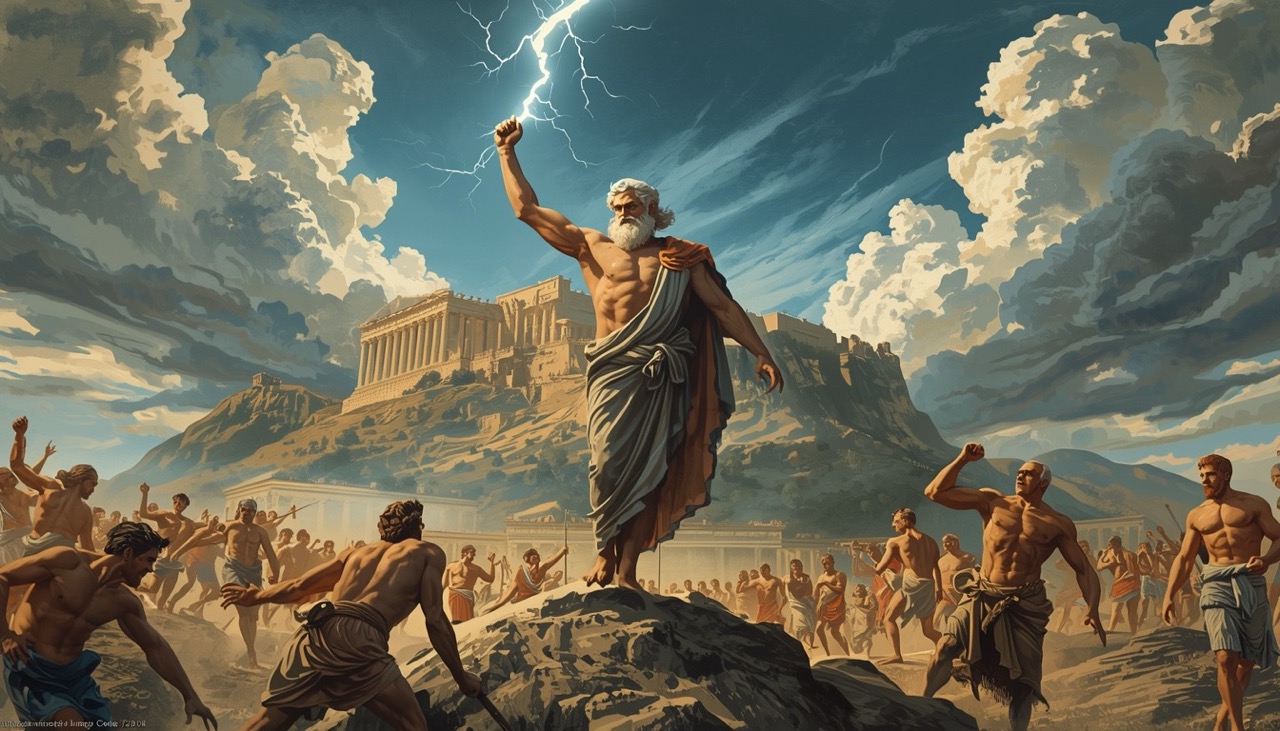
The conflict between the Titans and the Olympians is the foundation of Greek mythology. It explains where the gods came from, why Zeus rules, and how order replaced raw cosmic power.
For beginners, this story can feel abstract or overly dramatic. In reality, it is a structured myth about generations, authority, and the transition from chaos to control.
Here is a clear, step-by-step explanation of what the Titans and Olympians are, why they fought, and what the conflict actually represents.
The Titans were the second generation of divine beings, born from the primordial gods.
They ruled the cosmos before the Olympians and represented vast, elemental forces rather than organized society.
The Titans were children of:
There were twelve main Titans, but the most important for this story are:
The Titans ruled during what Greeks imagined as a raw and ancient age of the universe.
Cronus overthrew his father Uranus, establishing Titan rule. However, he feared the same fate for himself.
A prophecy warned Cronus that one of his children would overthrow him.
To prevent this, Cronus swallowed each child at birth.
This included:
Rhea saved her youngest child by hiding him and giving Cronus a stone wrapped in cloth instead.
That child was Zeus.
This moment sets up the central theme of the myth: power maintained through fear cannot last.
The Olympians are the third generation of gods and the most familiar figures in Greek mythology.
They represent organized domains of life such as law, agriculture, warfare, art, and social order.
Unlike the Titans, the Olympians divide power rather than hoard it.
Once grown, Zeus forced Cronus to release his swallowed siblings. Together, they challenged the Titans for control of the cosmos.
The war between the Titans and Olympians is called the Titanomachy.
It lasted ten years and was a battle not just of strength, but of alliances and strategy.
Zeus and his siblings gained victory by:
The Titans relied on brute force and tradition. The Olympians relied on cooperation and innovation.
This difference explains the outcome of the war.
After their defeat, most Titans were imprisoned in Tartarus, a deep abyss beneath the underworld.
However, not all Titans were punished equally.
Some Titans remained influential:
This reflects a key Greek idea: power changes form, but it is never erased.
This myth is not just about gods fighting. It reflects how ancient Greeks understood change.
The Olympians are not morally superior. They are simply better suited to governing a complex world.
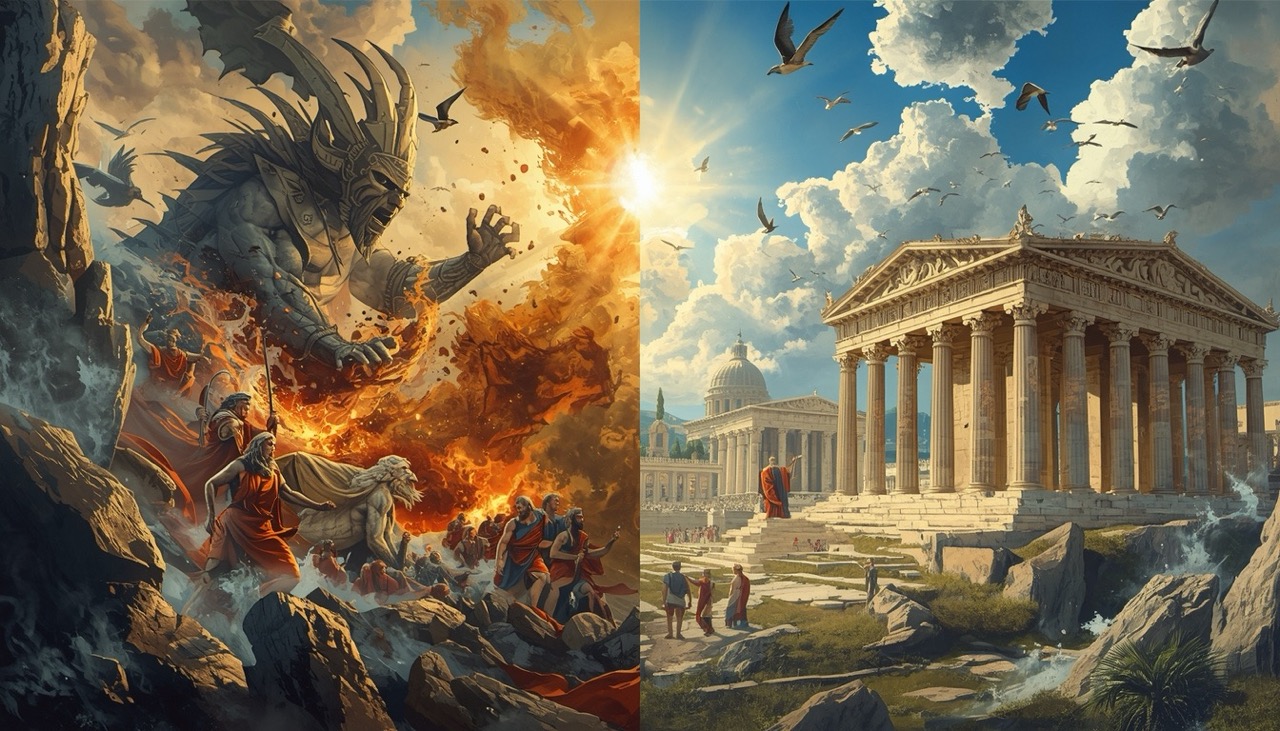
Nearly every major Greek myth assumes that the Olympians have already won.
Without this story:
Understanding Titans vs Olympians gives you the framework that supports the entire mythological system.
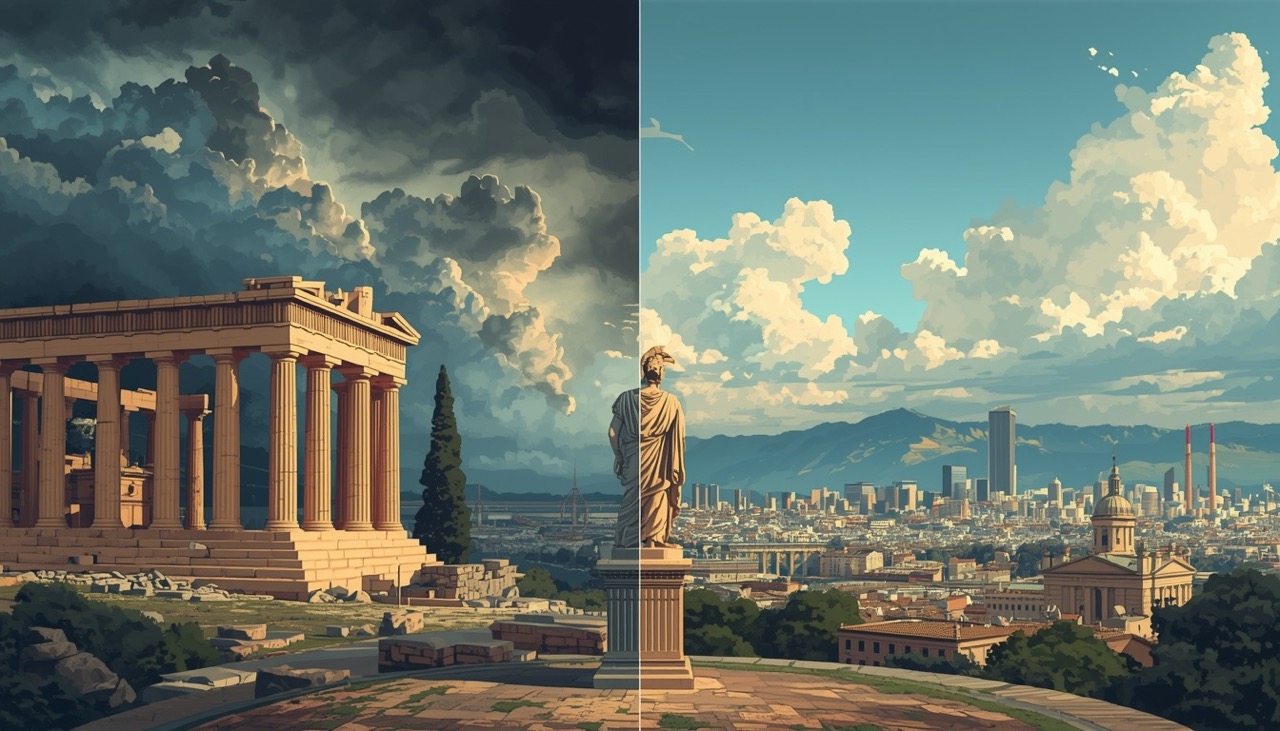
The contrast between Titans and Olympians still appears in modern storytelling.
Titans often symbolize:
Olympians symbolize:
This is why the conflict remains visually and symbolically powerful today.
If you enjoy mythology-inspired designs, PromyTheo products like shirts, hoodies, blankets, or desk mats often use classical imagery rooted in these myths. You can explore those product categories here.
The war between the Titans and Olympians explains how Greek mythology moves from chaos to structure. It is a story about power, fear, cooperation, and generational change.
Once you understand this conflict, Greek myths become easier to follow and far more coherent.
For more clear explanations of foundational myths, gods, and symbols, explore the other PromyTheo blog posts that build Greek mythology step by step.