Physical Address
304 North Cardinal St.
Dorchester Center, MA 02124
Physical Address
304 North Cardinal St.
Dorchester Center, MA 02124
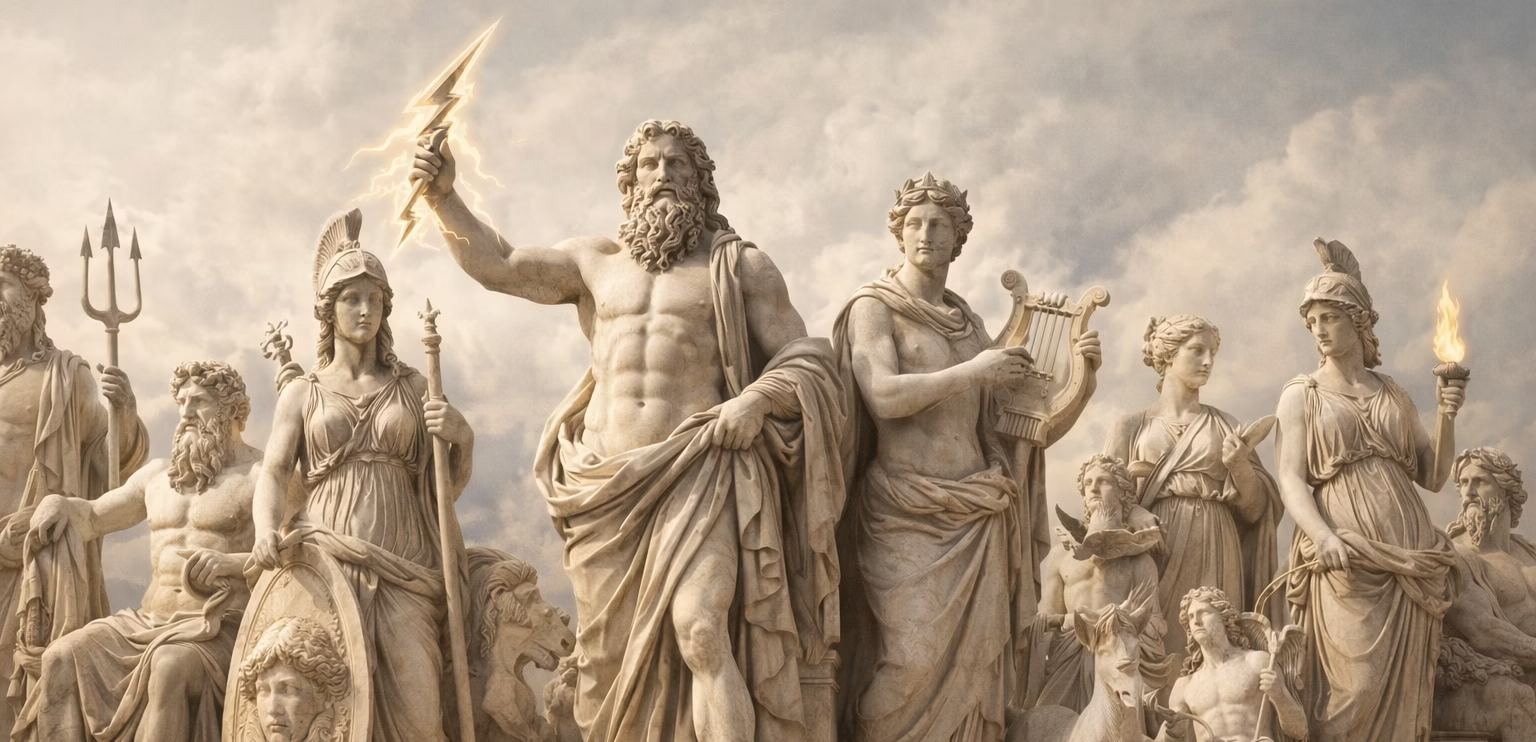
Greek mythology can feel confusing at first because there is no single story. It is a network of myths told across centuries, regions, and purposes. Gods appear in different roles, heroes change depending on the storyteller, and timelines overlap.
The good news is that you do not need to learn everything to understand it. You need a starting structure. Once that structure is in place, the myths stop feeling random and start feeling connected.
This guide explains exactly how to begin.
Greek mythology is a collection of stories that ancient Greeks used to explain three main things:
These stories were not written as one book. They came from oral tradition, poetry, local cults, and later written sources. That is why myths sometimes contradict each other. Contradiction is normal in Greek mythology.
As a beginner, your goal is not to resolve contradictions. Your goal is to understand the recurring characters, themes, and story patterns.
Most Greek myths fall into three broad categories. Knowing which category you are reading helps you understand what kind of story it is trying to tell.
These myths explain how the universe began and how divine power is organized.
They include:
These stories explain why Zeus rules, why Hades governs the underworld, and why the gods behave the way they do.
Hero myths focus on mortals who interact with gods, monsters, and fate.
Common elements include:
Hero myths are not about perfection. They are about limits, especially human limits.
This is a connected set of myths rather than a single story.
It includes:
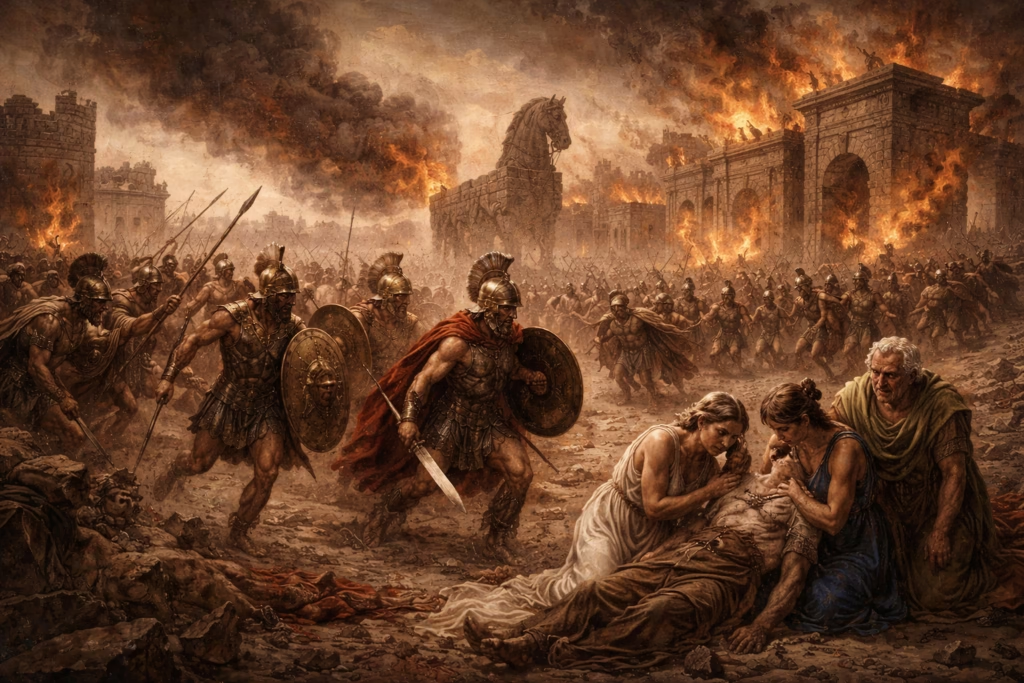
These myths explore anger, honor, loyalty, grief, and survival. Many later Greek stories build on this cycle.
You do not need all the gods at once. Start with the Olympians who appear repeatedly across myths.
Here is a beginner-focused explanation of their roles.
Think of these gods as forces with personalities. They represent aspects of life the Greeks believed humans could not fully control.
Instead of jumping randomly, begin with a small set of foundational stories. These appear constantly in later myths, art, and literature.
Once you know these, many references in books, films, and art will immediately make sense.

Greek myths follow consistent ideas. When you recognize them, stories become easier to interpret.
If a myth feels harsh or unsettling, that is intentional. Greek mythology often reflects anxiety about power and human vulnerability.
Beginners benefit from clarity and context.
Start with:
Primary texts to know by name:
You do not need to read them cover to cover at first. Select key sections and build gradually.
Greek mythology sticks better when it becomes part of daily life, especially for students and gift buyers.
Simple reinforcement ideas:
If you want to explore PromyTheo apparel or home items inspired by specific myths, start here.
Greek mythology becomes manageable when you start with structure, not memorization. Learn the categories, meet the core gods, and read a small set of foundational myths first.
For deeper explanations, character breakdowns, and symbolism guides, explore the other blog posts on PromyTheo. And if you enjoy keeping mythology close in your everyday life, take a look at the PromyTheo Etsy collection.